How TPN bypasses the GI tract

September 11, 2025

Introduction to Total Parenteral Nutrition (TPN)

Total Parenteral Nutrition (TPN) is a specialized medical intervention crucial for patients with impaired digestive systems. Unlike traditional nourishment that relies on the gastrointestinal (GI) tract to process and absorb nutrients, TPN delivers a complete nutritional profile directly into the bloodstream. TPN effectively bypasses the GI tract, offering a lifeline to individuals who cannot utilize this primary nutrition pathway due to various medical conditions. This article explores the mechanism of TPN, its implications, and the unique considerations associated with its use.

Understanding TPN and Its Mechanism

What is Total Parenteral Nutrition (TPN)?

Total Parenteral Nutrition (TPN) is a medical method of delivering complete nutrition directly into the bloodstream through an intravenous (IV) line, bypassing the digestive system. This approach is primarily utilized for individuals who cannot eat or absorb nutrients due to various medical conditions such as gastrointestinal disorders, short bowel syndrome, or after certain surgeries. TPN solutions contain essential nutrients including proteins, carbohydrates, fats, vitamins, and minerals, tailored to meet the specific needs of the patient.

While TPN can significantly improve nutritional outcomes and quality of life, it comes with risks such as infections, blood clots, and liver complications, necessitating careful monitoring by healthcare professionals. Some patients may require TPN for extended periods, and in such cases, it can be administered at home using portable equipment.

How does Total Parenteral Nutrition (TPN) bypass the gastrointestinal (GI) tract?

Total Parenteral Nutrition (TPN) bypasses the gastrointestinal (GI) tract by delivering essential nutrients directly into the bloodstream through intravenous administration. This method is crucial for patients who are unable to utilize their digestive systems because of conditions like gastrointestinal diseases or intestinal obstructions.

TPN provides complete nutrition, unlike Partial Parenteral Nutrition (PPN), which only supplements existing feeding methods. The formulations for TPN can be customized to meet individual nutritional needs, specifically including carbohydrates, proteins, fats, vitamins, and minerals.

Patients receiving TPN are closely monitored for hydration, weight, and potential complications. This monitoring is vital as it allows healthcare teams to assess the patient's response to nutrition and adjust the TPN solutions as needed. Proper monitoring also supports a gradual transition back to oral or enteral feeding when appropriate, ensuring a holistic approach to the patient’s recovery.

TPN in Medical Treatments and Its Benefits

Use of TPN in Medical Settings

Total Parenteral Nutrition (TPN) serves as a critical nutritional support system for patients whose gastrointestinal systems are nonfunctional or severely impaired. Common indications for TPN include:

TPN is administered via a catheter inserted into a vein, allowing for a steady infusion of tailored nutrients directly into the bloodstream.

Benefits of TPN

The benefits of TPN are profound for patients unable to digest nutrients through conventional means. Some significant advantages include:

In conclusion, while TPN poses certain risks, including metabolic imbalances and infections, it remains a vital therapy that can significantly enhance the well-being and nutritional status of patients with compromised digestive systems. Proper medical oversight ensures these patients receive safe and effective treatment.

Components and Administration of TPN

What are the components and administration guidelines for Total Parenteral Nutrition (TPN)?

Total Parenteral Nutrition (TPN) is a critical nutritional intervention for patients who cannot consume or absorb food due to gastrointestinal issues. TPN delivers essential nutrients straight into the bloodstream via a central venous catheter (CVC). This bypasses the digestive system entirely, ensuring that individuals receive vital nutrition needed for recovery or maintenance of health.

Key Components of TPN

The composition of TPN solutions is specifically tailored to meet the unique needs of each patient. Key components include:

These components are carefully calculated based on the patient's nutritional requirements, weight, and clinical condition, ensuring optimal support.

Administration Guidelines

Administration of TPN requires strict adherence to guidelines to ensure patient safety and effectiveness:

By following these guidelines, healthcare professionals can effectively administer TPN and improve patient outcomes.

TPN in Conditions like Crohn’s Disease

How is Total Parenteral Nutrition (TPN) used in specific medical conditions like Crohn's disease or intestinal failure?

Total Parenteral Nutrition (TPN) plays a vital role in managing severe conditions such as Crohn's disease and intestinal failure. In these cases, TPN is administered to deliver all essential nutrients directly into the bloodstream when oral or enteral nutrition cannot suffice. This method is especially indicated for patients facing complications like intestinal failure, bowel obstructions, or high-output fistulas.

TPN helps combat malnutrition, which significantly affects many individuals with inflammatory bowel disease (IBD). In fact, up to 70% of patients with active IBD may experience malnutrition, increasing their risks during surgical procedures. For malnourished patients, preoperative TPN may significantly reduce postoperative complications and improve recovery.

Benefits of TPN in specific conditions

One of the key benefits of TPN is its ability to restore proper nutritional status in patients who cannot absorb nutrients through traditional means. This nutritional support not only aids in general health but also strengthens the immune system and prepares patients for surgical interventions.

Moreover, TPN solutions can be customized to meet individual needs, including varying concentrations of dextrose, fats, and amino acids based on specific medical conditions and nutritional requirements. However, it’s essential to monitor TPN administration closely due to potential risks, such as infections and metabolic imbalances, ensuring that patients receive optimal care throughout their treatment journey.

Comparing TPN and Enteral Nutrition Methods

How does Total Parenteral Nutrition (TPN) compare to enteral nutrition methods?

Total Parenteral Nutrition (TPN) serves as a lifeline for patients with non-functional gastrointestinal (GI) tracts. Administered through an IV catheter, it delivers nutrition directly into the bloodstream, catering specifically to those unable to digest food. This approach becomes crucial in situations such as bowel obstructions or significant surgeries.

In contrast, enteral nutrition methods, like tube feeding, leverage the functionality of the GI system, providing nutrients directly into the digestive tract. This approach is preferred when possible due to its lower risks, as it typically supports gut function and carries fewer complications such as infections.

Enteral nutrition is often utilized when patients can’t consume food orally, yet their GI tracts are still operational. This method not only minimizes malnutrition risk but also facilitates recovery by engaging normal digestive processes.

Nutritional MethodDelivery RouteTypical Use CasesAdvantagesRisksTotal Parenteral Nutrition (TPN)Bloodstream (IV)Non-functional GI tracts, post-surgeryBypasses digestion, complete nutritionInfections, blood clotsEnteral NutritionGastrointestinal tractFunctional GI, unable to eat orallySupports gut function, lower risksAspiration, GI complications

Overall, while TPN is essential for specific medical conditions, enteral nutrition tends to be favored for its safety, effectiveness, and supportive role in recovery.

Complications Associated with TPN

What is the most common complication associated with Total Parenteral Nutrition (TPN)?

The most frequent complication tied to Total Parenteral Nutrition (TPN) is hyperglycemia, reported in nearly 50% of TPN patients.
Blood sugar levels may swing greatly, leading to either hyperglycemia or hypoglycemia, particularly if insulin is employed or TPN is suddenly halted.
Infectious complications, especially those related to the catheter, represent another serious concern due to the invasive nature of central venous access required for TPN.

Metabolic issues like refeeding syndrome and liver conditions, including fatty liver disease, frequently occur among individuals reliant on TPN. Regular monitoring of blood sugar levels, electrolytes, and liver function tests is crucial for minimizing these risks.

Management and prevention of complications

Effective management strategies must be established to prevent complications during TPN administration. This includes:

Additionally, implementing protocols for gradual TPN initiation and tapering can help prevent metabolic disturbances.

Central Venous Access in TPN

Why does Total Parenteral Nutrition (TPN) require central venous access?

Total Parenteral Nutrition (TPN) requires central venous access primarily due to the high osmolarity of the solutions used. These concentrated nutrient mixtures can cause irritation and damage to peripheral veins.

When TPN is administered through a central line, it delivers nutrients safely into the bloodstream, significantly reducing risks of vein irritation and thrombosis. This method is especially critical for patients relying entirely on TPN for their nutrition due to impaired gastrointestinal function.

Central lines not only facilitate better safety but also enable the precise delivery of a balanced mixture tailored to the patient’s nutritional requirements.  Ultimately, central venous access plays a vital role in maximizing the efficacy and safety of TPN therapies, ensuring patients obtain essential nourishment while minimizing complications.

Conclusion

Total Parenteral Nutrition (TPN) serves as a life-sustaining therapy for patients with impaired gastrointestinal function, offering an avenue for complete nutritional support without engaging the digestive tract. While TPN can significantly improve the quality of life for individuals who cannot receive adequate nutrition through traditional means, it requires meticulous care and monitoring due to potential complications. Understanding the constraints and applications of TPN is essential for healthcare providers and patients alike to ensure safe, effective treatment and optimize health outcomes.

References

Person living with end stage renal disease going about an ordinary morning at home
September 1, 2026
Straight answers to what people on dialysis ask most: nutrition, phosphate, energy, travel, and the emotional weight of ongoing treatment.

Handwritten list of questions prepared for a dialysis appointment about IDPN therapy
September 1, 2026
The questions worth bringing to your nephrologist or dietitian before starting intradialytic parenteral nutrition, grouped and ready to print.

Adult daughter and her mother reviewing a delivery schedule together in the kitchen at home
September 1, 2026
A practical guide for caregivers: what your role is, what the pharmacy can share with you, what to keep track of, and how to protect your own energy.

Family sharing a meal at home while one member on parenteral nutrition joins the table
September 1, 2026
Whether you can eat on parenteral nutrition, why appetite and taste change, and how to handle meals with family while receiving IV nutrition.
Suitcase packed with a small cooler and paperwork for traveling while on parenteral nutrition
August 31, 2026
How to plan a trip on TPN or home parenteral nutrition: supplies, refrigeration, air travel documentation, and how far ahead to call your pharmacy.
Home delivery of TPN supplies unpacked on a kitchen table during the first week of therapy
August 31, 2026
A day-by-day look at starting total parenteral nutrition at home: the first delivery, the first infusion, night one, and when to call for help.
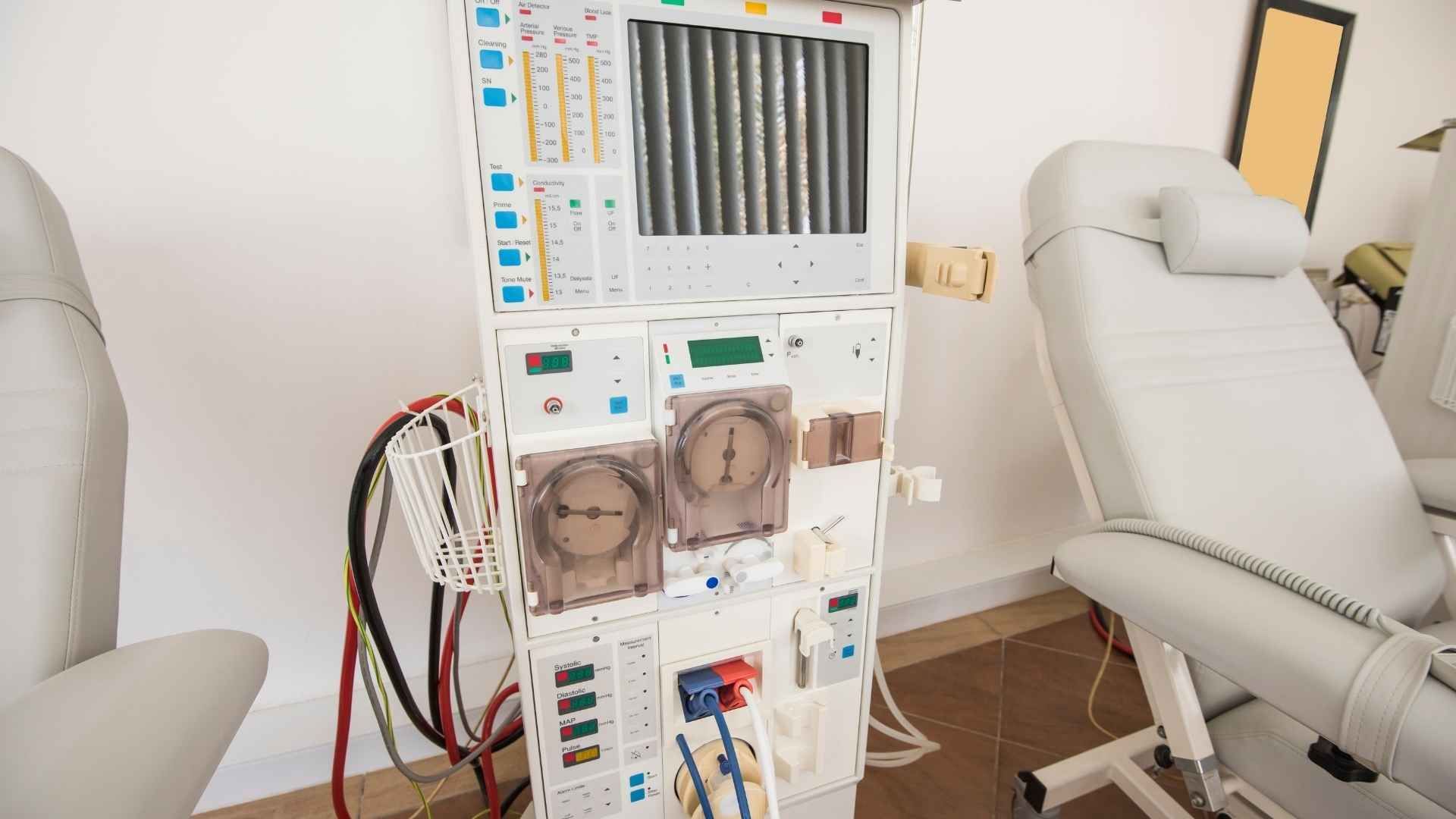
Dialysis center staff coordinating phosphate binder supply with a pharmacy partner
August 11, 2026
What dialysis centers should look for in a phosphate binder supply partner: reliable delivery, formulary breadth, insurance support, and coordination.
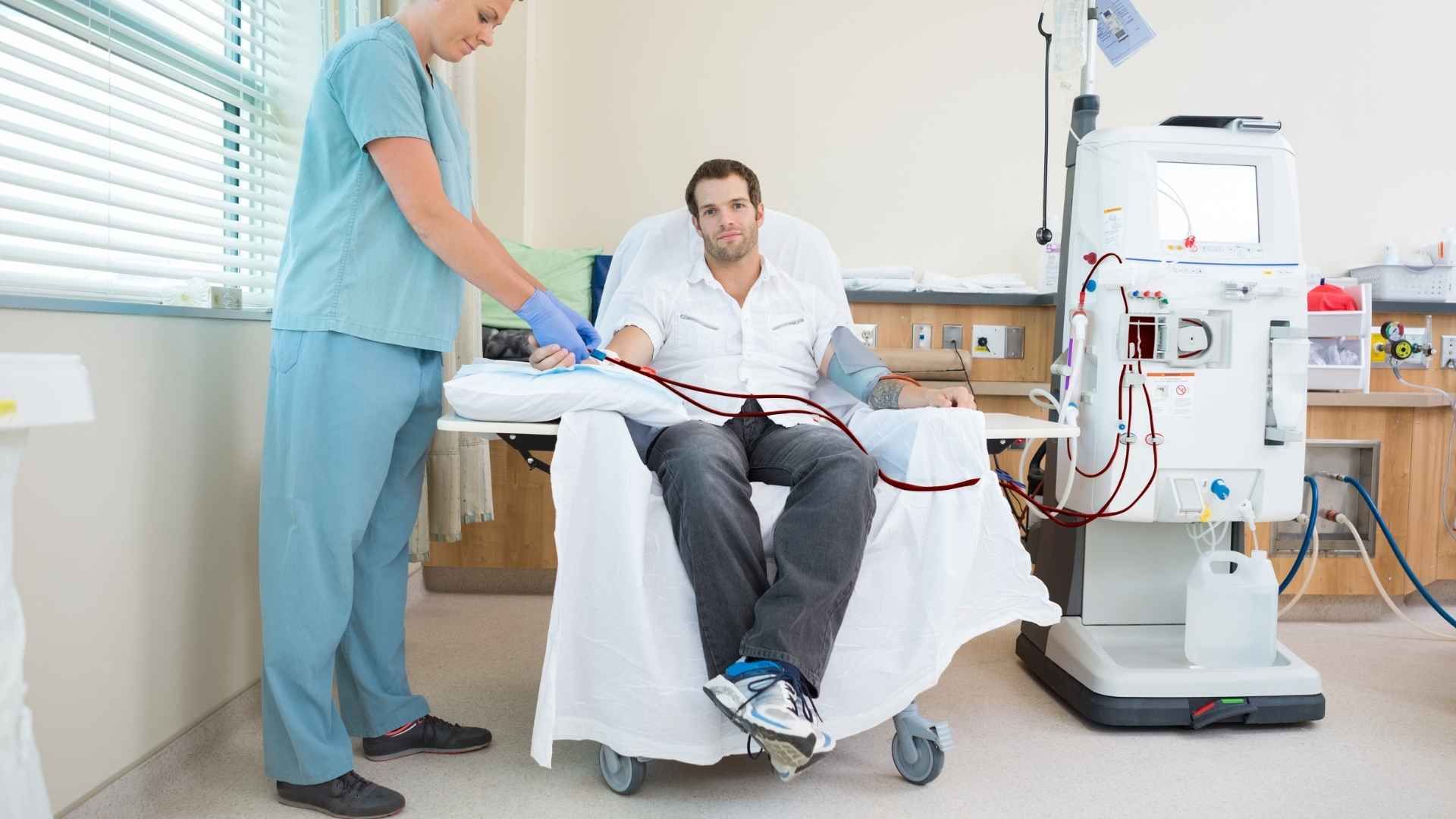
Renal dietitian reviewing phosphate levels with a dialysis patient
August 11, 2026
How hyperphosphatemia is managed in ESRD dialysis patients, diet, dialysis, and phosphate binders, and why reliable binder supply keeps therapy on track.

July 29, 2026
Compounded medications are a routine part of modern care, but unlike mass-manufactured drugs, each one is prepared individually, which means the standards behind its preparation carry real weight. For providers who order or refer for compounded therapies, a working understanding of those standards is the clearest way to judge whether a pharmacy is safe to trust. This overview covers the standards that govern sterile compounding and what they mean for the medications your patients receive. Why Standards Matter More in Compounding A commercially manufactured drug is produced under FDA oversight in large, validated batches. A compounded medication is prepared for an individual patient, often in small quantities, sometimes because no commercial equivalent exists. That flexibility is exactly why it's clinically valuable — and why the standards around preparation exist. Without rigorous controls, the same customization that helps patients could introduce contamination or error. Our guide to our sterile compounding pharmacy describes how those controls come together in practice. The Regulatory Landscape Sterile compounding sits within a layered framework: The United States Pharmacopeia (USP) publishes the general chapters, most importantly <797> and <800>, that define how compounded preparations should be made and handled. State boards of pharmacy license and inspect pharmacies, including where they're permitted to ship. Multi-state operations must maintain licensure in each state they serve. Accreditation bodies (ACHC, NABP, PCAB) provide independent verification that a pharmacy meets recognized standards. Together, these create the accountability structure behind every compounded dose. USP <797>: Sterile Preparations USP <797> is the cornerstone standard for compounded sterile preparations. It governs the conditions and practices required to keep a preparation free of contamination, including personnel training and garbing, ISO-classified air quality and engineering controls, environmental monitoring, and beyond-use dating. For any medication infused directly into the body, <797> compliance is the baseline expectation, not a premium feature. USP <800>: Hazardous Drugs USP <800> adds a containment layer for hazardous drugs, protecting personnel, patients, and the environment from unintended exposure. It specifies containment engineering controls, PPE, and validated handling procedures for drugs identified as hazardous. When a preparation is both sterile and hazardous, it must satisfy <797> and <800> together. For the details, see our breakdown of USP <800> requirements . Accreditation: Independent Verification Standards are only meaningful if someone checks that they're being met. Accreditation from ACHC, NABP, and PCAB means a pharmacy has been inspected against national benchmarks by an outside authority. For a provider, accreditation is a shortcut to confidence: it signals that the pharmacy's claims about its processes have been independently validated. The Quality-Control Process Behind the standards is a repeatable process that governs each preparation: Pharmacist review of the prescription for appropriateness, compatibility, and dosing Preparation by trained technicians under aseptic conditions In-process and final verification by a licensed pharmacist Sterility testing or filtration validation where required This chain is what turns a standard on paper into a safe medication in a patient's hands. What This Means When You Order When you refer a patient for a compounded therapy, you're effectively extending your own standard of care into another facility. Knowing that a pharmacy is USP-compliant, accredited, and pharmacist-led lets you refer with confidence that the medication will meet the same expectations you'd hold for anything you administer yourself. If you're weighing options, our guide on how to choose a compounding partner walks through the criteria. The Pharmko Standard Pharmko compounds every TPN, IDPN, and IPN preparation in a USP <797>-compliant, ISO Class 5 cleanroom, under ACHC, NABP, and PCAB accreditation, with a licensed pharmacist reviewing and releasing each formula. For the patients who receive our preparations, many of them managing End Stage Renal Disease (ESRD), that standard is the point. Refer a Patient → · [1 (877) 540-2003]
Physician evaluating a sterile compounding pharmacy partner
July 29, 2026
How to evaluate a sterile compounding pharmacy: accreditation, USP compliance, clinical support, turnaround, and the questions every practice should ask.

Show More