
Nutritional Requirements for TPN in Different Age Groups

September 3, 2025

Exploring the Essential Components of TPN

Total parenteral nutrition (TPN) is a vital medical therapy designed to provide full nutritional support to patients unable to consume or tolerate oral or enteral nutrition. This intravenous feeding method is crucial for diverse age groups ranging from neonates to the elderly, particularly when gastrointestinal function is impaired. With nutritional requirements differing across age brackets and metabolic states, TPN must be customized to meet the unique needs of each patient demographic. This article delves into these varied nutritional requirements, offering insights into calculations, guidelines, and management of potential complications associated with TPN.

Daily Nutritional Requirements for TPN

What are the daily nutritional requirements for TPN?

Total Parenteral Nutrition (TPN) is lifeline nutrition administered intravenously when the gastrointestinal tract is not functional.

Daily requirements generally include:

  • Energy : Approximately 25-30 kcal/kg/day for standard patients, with critical cases possibly needing up to 40-45 kcal/kg/day .
  • Protein : Usually around 1.5 g/kg/day is suggested, with critically ill individuals requiring higher levels to promote recovery.
  • Carbohydrates : For severely catabolic patients, 4-5 g/kg/day is typical, tailored to individual metabolic needs, with dextrose as the primary source.
  • Lipids : Starting at 1 g/kg/day , aiming for 30-40% of total caloric intake from fats, ensuring prevention of fatty acid deficiencies.

Additionally, fluid needs are approximately 30-40 mL/kg/day , adjusting for any losses from the patient's current state. This is critical for maintaining hydration and correct electrolyte balance.

Monitoring serum electrolytes is vital to preempt complications like hyperglycemia and ensure the infusion meets the patient's unique nutritional goals. Regular evaluations of vitamin and trace element status follow as essential parts to optimize TPN outcomes, especially considering any variations needed for different age groups and clinical conditions.

Calculating TPN Requirements

How do you calculate TPN requirements?

Calculating Total Parenteral Nutrition (TPN) requirements involves multiple steps to ensure that nutritional needs are met precisely. First, assess the patient's fluid needs. A common method is the 4-2-1 rule:

  • For the first 10 kg: 4 ml/kg/h
  • For the next 10 kg: 2 ml/kg/h
  • For any weight above 20 kg: 1 ml/kg/h

Next, establish caloric needs based on the patient's health status. Caloric recommendations generally range from 15-20 kcal/kg/day for patients experiencing severe malnutrition, while critically ill individuals may require 30-50 kcal/kg/day.

Macronutrient distribution

The macros must be balanced as follows:

  • Lipids: Approximately 30% of total caloric intake
  • Protein: Between 1-1.5 g/kg/day is recommended, adjusting for the patient's conditions
  • Carbohydrates: Should comprise about 50-60% of total caloric intake, mainly from dextrose.

Essential additives

Critical components such as electrolytes, vitamins, and minerals should be included in the TPN formulation. These additives help maintain electrolyte balance and prevent deficiencies essential for overall health.

Continuous monitoring of the patient's response to TPN is vital, utilizing parameters like indirect calorimetry and respiratory quotient (RQ) to refine the nutritional plan accordingly.

Guidelines for Adult TPN

What are the total parenteral nutrition guidelines for adults?

Total parenteral nutrition (TPN) guidelines for adults dictate that caloric intake should be tailored to the individual’s medical condition. Generally, caloric needs for hospital patients during recovery or post-surgery range from 25 to 35 kcal/kg/day . For those who are hypercatabolic due to severe illness or injury, caloric needs may increase to 30 to 45 kcal/kg/day .

Nutritional needs based on body mass index and condition

For critically ill patients with elevated body mass index (BMI) between 30–50 kg/m², the guideline suggests administering 11–14 kcal/kg/day based on their actual body weight. This is particularly crucial in preventing inadequate energy intake which could hinder recovery.

TPN should be withheld in patients with an intact gastrointestinal tract. Administering PN in such cases can lead to complications and increased healthcare costs when enteral nutrition is a feasible option.

Nutritional formulations must be specific to individual needs, with protein requirements typically ranging from 1.2 to 2.0 g/kg/day for critically ill patients. Regular monitoring of metabolic parameters and potential complications is vital for ensuring patient safety and delivering effective nutritional support.

Pediatric TPN: Special Considerations

Higher Calorie and Protein Needs

Infants and children have specific nutritional requirements compared to adults. Their caloric and protein needs are generally higher to support growth and development. For instance, energy demands for infants can reach up to 90 kcal/kg/day , while children may require up to 120 kcal/kg/day when receiving Total Parenteral Nutrition (TPN).
Protein requirements often exceed 2 g/kg/day in children to facilitate healthy tissue development and repair, making it essential to tailor TPN formulations to meet these needs.

Neonatal and Pediatric Formulations

Neonates and particularly preterm infants necessitate specialized formulations of TPN due to their unique developmental requirements. For infants weighing less than 1,200 grams , starter PN solutions are used with incremental adjustments to macronutrient ratios – typically high fats and lower carbohydrates to suit their metabolism. Standard formulations include 5% glucose for very low birth weight infants and 8% glucose for those slightly heavier. Careful monitoring of nutrient intake and daily weight assessments is integral to avoid deficiencies, as sick newborns have unique metabolic needs and higher caloric requirements. This tailored approach ensures growth and minimizes risks associated with malnutrition or overfeeding.

TPN in Geriatric Populations

Adjustments for the elderly

Total Parenteral Nutrition (TPN) requires meticulous adjustments for elderly patients due to their unique health profiles. Unlike younger adults, older patients often experience changes in metabolism and may have different nutritional needs. For instance, the protein requirement can range from 0.6 to 1.3 grams per kilogram of body weight. This range takes into account their overall health and physiological condition, especially if they are dealing with illnesses or recovery from surgeries.
Additionally, elderly patients might be dealing with comorbidities like chronic kidney disease or heart issues, making precise calculations of calorie and nutrient intake crucial. Regular assessments, including serum protein levels, can help adjust the TPN formula to meet their individual needs effectively.

Increased risk for complications

As older adults often have fragile physiological states, they face increased risks for complications associated with TPN. Issues such as metabolic abnormalities, infections, and liver dysfunction can arise more frequently in this population. The metabolic processing of nutrients can become impaired, leading to the danger of refeeding syndrome, especially if nutritional support is initiated too aggressively.

Monitoring is vital to prevent complications, and an interdisciplinary healthcare team, including dietitians and pharmacists, plays a significant role in managing TPN effectively for these patients. By tailoring TPN to their unique needs, healthcare providers can enhance recovery and improve quality of life in geriatric patients.

Managing TPN Complications

What are the common complications of TPN and how can they be managed across different age groups?

Total Parenteral Nutrition (TPN) is critical for patients who cannot receive standard feedings, but it carries risks of complications that vary with age. Common adverse effects include:

  • Catheter-associated infections: Approximately 5% to 10% of patients experience severe complications related to central venous access, emphasizing the need for strict aseptic techniques.
  • Metabolic abnormalities: Hyperglycemia and hypoglycemia can arise from improper glucose management, necessitating regular monitoring of blood glucose levels.
  • Hepatic complications: Conditions like cholestasis and steatosis may develop, particularly in patients on long-term TPN. Liver function tests should be done frequently to catch these issues early.
  • Metabolic bone disease: This can be a long-term complication stemming from inadequate calcium and vitamin D in TPN, requiring regular assessment of mineral levels.

Effective management strategies differ across age groups. For instance:

  • Pediatrics: Children may need to temporarily withhold TPN after ICU admission to prevent renal impairment. Careful evaluation of nutrient intakes must be conducted to prevent overload.
  • Elderly patients: Rapid TPN initiation is often necessary if they are malnourished. They also require cautious adjustments in nutrient composition to mitigate the risk of refeeding syndrome.

Beyond age-specific strategies, other preventive measures include using alternative fat emulsions and continuous adjustment of nutrient formulations to cater to individual metabolic responses. Monitoring must be vigilant in ensuring optimal health while receiving TPN, adapting interventions as necessary for various age-related risks.

The Role of Macronutrients in TPN

Importance of proteins, carbohydrates, and lipids

Total parenteral nutrition (TPN) involves a precise formulation of macronutrients essential for patients unable to consume food via the gastrointestinal (GI) tract.

  1. Proteins : The protein requirements in TPN are crucial for recovery and maintenance, especially in critically ill patients. Healthy adults typically need about 0.8 to 1 g/kg/day of protein. However, critically ill patients may increase their intake to around 1.5 g/kg/day to support healing and physiological functions. Infants, particularly those with higher metabolic demands, may need up to 3 g/kg/day.

  2. Carbohydrates : Carbohydrate requirements generally range from 4 to 5 g/kg/day for severely catabolic individuals. Dextrose is the main carbohydrate source, and careful calculation ensures adequate energy provision, particularly important for infants requiring high energy levels for growth.

  3. Lipids : Lipids are pivotal in TPN, delivering energy and preventing fatty acid deficiency. For adults, the recommended lipid intake ranges from 1 to 2 g/kg/day, while infants may increase to 3 g/kg/day as tolerated.

Demographics-specific roles

The composition of TPN solutions must cater to different age groups for effective nutrition:

  • Adults : Require a balanced intake of carbohydrates, proteins, and fats.
  • Pediatrics : Needs are higher due to growth and development—children may require up to 120 kcal/kg/day and tailored formulations to mitigate risks like phlebitis.
  • Elderly : Present unique challenges, often needing adjustments for metabolic rate and protein needs.

In essence, TPN’s macronutrient composition is vital to meeting the specific needs based on age, health status, and clinical condition, ensuring effective nutritional support.

Micronutrients and Trace Elements

Vitamin and mineral requirements

When administering Total Parenteral Nutrition (TPN), it is essential to include a comprehensive array of vitamins and minerals tailored to the patient's needs. For instance, adults generally require micronutrients in line with the recommended daily allowances, which vary significantly depending on their age, health status, and any underlying conditions.

Age-specific micronutrient needs

In pediatric patients, particularly infants, the composition of micronutrients is critical. Infants have higher requirements for certain vitamins and minerals relative to their body weight, affecting their development and growth. Key adjustments may include:

  • Sodium and Potassium : Important for electrolyte balance and hydration.
  • Calcium and Phosphorus : Essential for bone development, especially in preterm infants and those with low birth weights.
  • Trace elements like Zinc and Selenium : Vital for immune functioning and antioxidant defenses, tailored specifically to age and nutritional status.

Age Group Key Vitamin/Mineral Specific Requirement
Infants Calcium Higher ratios due to rapid growth
Children Zinc Supports immune health
Adults Vitamin D Adjusted for bone health
Elderly adults Magnesium Adjusted for metabolic health issues

This variety highlights the importance of individual assessments to prevent deficiencies and ensure optimal health outcomes across all age groups.

Clinical Considerations for Specialized Groups

Pregnancy and TPN

In cases where pregnant women suffer from malnourishment, Total Parenteral Nutrition (TPN) can become necessary, although healthcare providers generally prefer enteral feeding due to the associated risks of TPN for both the mother and fetus. The use of TPN must be carefully considered against potential complications, ensuring that it is an appropriate choice for the pregnant individual and her developing baby. TPN might be given when enteral feeding is impossible, helping to meet the increased nutritional demands during pregnancy that are vital for fetal growth and development.

TPN in Breastfeeding Mothers

Interestingly, breastfeeding women can successfully manage to breastfeed their infants while receiving TPN. This compatibility underscores that TPN, which bypasses the gastrointestinal tract to deliver complete nutrition intravenously, does not hinder the mother’s ability to provide breast milk. This finding is vital as it offers a practical option for ensuring infants continue to receive the best nutritional start. Mothers on TPN should work closely with healthcare professionals to monitor their nutritional intake and lactation goals.

Specialized Group TPN Considerations Nutritional Requirements
Pregnant Women Risks associated with TPN Higher caloric needs for fetal growth
Breastfeeding Moms Compatible with breastfeeding Ensure adequate intake for milk production
Neonates Increased fluid and protein requirements Tailored to growth and developmental needs
Adults Varies with health status (0.8-1.5 g/kg) Needs adjustment for illnesses

TPN Administration and Monitoring

Role of healthcare professionals

The administration of Total Parenteral Nutrition (TPN) requires a collaborative and interdisciplinary approach. Healthcare professionals involved typically include:

  • Physicians : Responsible for the overall management and prescription of TPN based on individual patient needs.
  • Dietitians : Assess nutritional requirements and formulate individualized TPN solutions tailored to the patient's age, condition, and metabolic status.
  • Pharmacists : Ensure the safe compounding of TPN solutions, with a focus on appropriate nutrient concentrations and compatibility.
  • Infusion nurses : Monitor the administration process, manage intravenous access, and address any complications.

Assessment and monitoring strategies

Monitoring patients on TPN is crucial to ensure nutritional adequacy and prevent complications. Regular assessments include:

  • Daily weight checks : To track fluid balance and nutritional status.
  • Biochemical evaluations : Examining electrolytes, liver function, and other relevant labs to tailor the nutrient composition.
  • Nutritional goals evaluation : Regularly reassessing caloric and protein intake to meet the specific requirements per age group and health status.
  • Infusion site inspection : To prevent issues like infections or thrombosis.

Implementing these strategies helps optimize patient outcomes and ensures the safe delivery of TPN.

TPN as a Lifeline Across Age Groups

Total parenteral nutrition serves as an essential intervention for patients who are unable to meet their nutritional needs through conventional feeding methods. Its application across different age groups underscores the importance of understanding specific nutritional requirements and managing complications. Personalized care through interdisciplinary collaboration ensures that TPN remains a vital part of patient care, promoting better health outcomes through tailored nutritional support. As our understanding of TPN evolves, continued attention to guidelines and patient-specific needs will enhance its efficacy for diverse patient demographics.

References

Person living with end stage renal disease going about an ordinary morning at home
September 1, 2026
Straight answers to what people on dialysis ask most: nutrition, phosphate, energy, travel, and the emotional weight of ongoing treatment.

Handwritten list of questions prepared for a dialysis appointment about IDPN therapy
September 1, 2026
The questions worth bringing to your nephrologist or dietitian before starting intradialytic parenteral nutrition, grouped and ready to print.

Adult daughter and her mother reviewing a delivery schedule together in the kitchen at home
September 1, 2026
A practical guide for caregivers: what your role is, what the pharmacy can share with you, what to keep track of, and how to protect your own energy.

Family sharing a meal at home while one member on parenteral nutrition joins the table
September 1, 2026
Whether you can eat on parenteral nutrition, why appetite and taste change, and how to handle meals with family while receiving IV nutrition.
Suitcase packed with a small cooler and paperwork for traveling while on parenteral nutrition
August 31, 2026
How to plan a trip on TPN or home parenteral nutrition: supplies, refrigeration, air travel documentation, and how far ahead to call your pharmacy.
Home delivery of TPN supplies unpacked on a kitchen table during the first week of therapy
August 31, 2026
A day-by-day look at starting total parenteral nutrition at home: the first delivery, the first infusion, night one, and when to call for help.
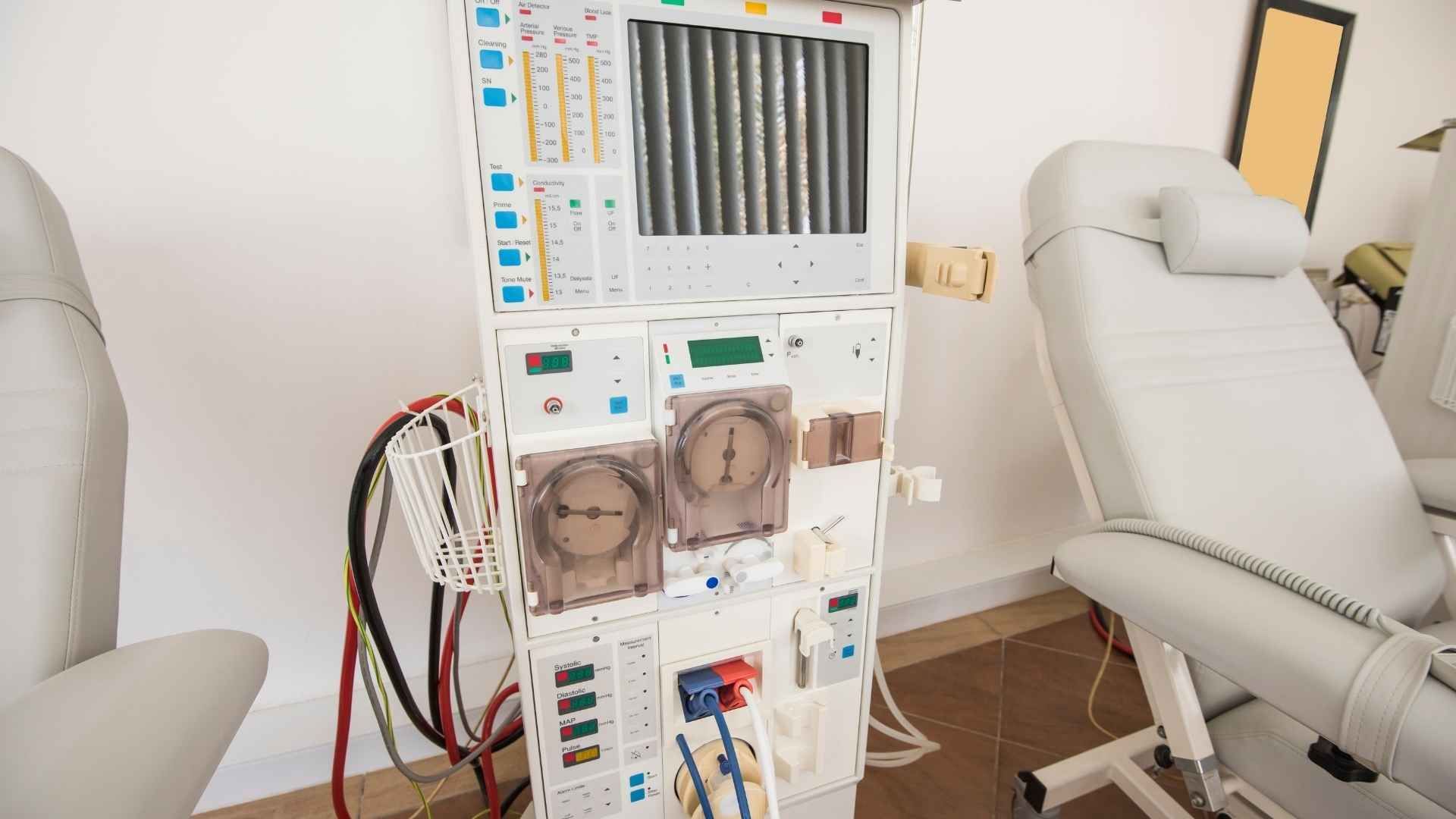
Dialysis center staff coordinating phosphate binder supply with a pharmacy partner
August 11, 2026
What dialysis centers should look for in a phosphate binder supply partner: reliable delivery, formulary breadth, insurance support, and coordination.
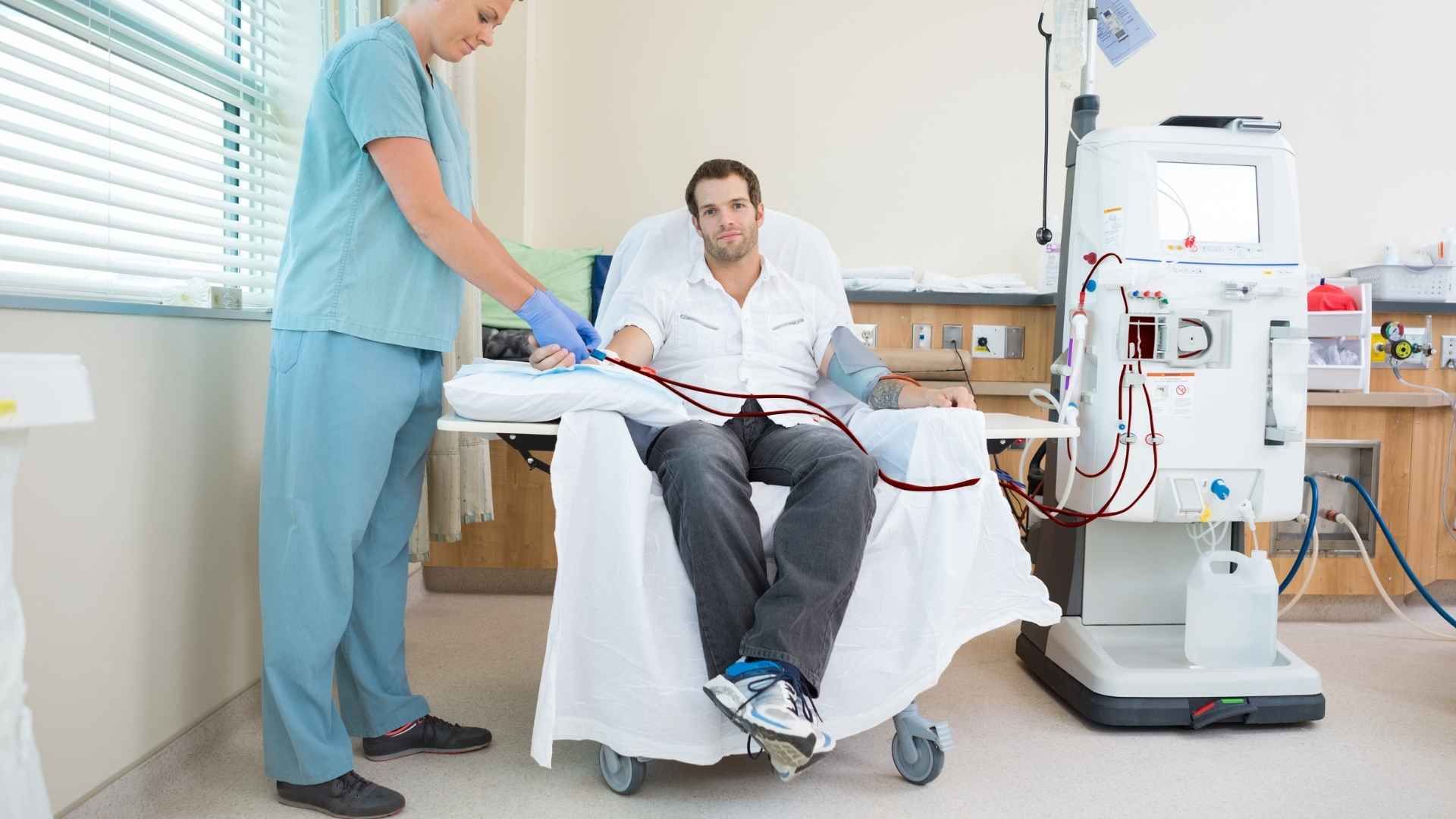
Renal dietitian reviewing phosphate levels with a dialysis patient
August 11, 2026
How hyperphosphatemia is managed in ESRD dialysis patients, diet, dialysis, and phosphate binders, and why reliable binder supply keeps therapy on track.

July 29, 2026
Compounded medications are a routine part of modern care, but unlike mass-manufactured drugs, each one is prepared individually, which means the standards behind its preparation carry real weight. For providers who order or refer for compounded therapies, a working understanding of those standards is the clearest way to judge whether a pharmacy is safe to trust. This overview covers the standards that govern sterile compounding and what they mean for the medications your patients receive. Why Standards Matter More in Compounding A commercially manufactured drug is produced under FDA oversight in large, validated batches. A compounded medication is prepared for an individual patient, often in small quantities, sometimes because no commercial equivalent exists. That flexibility is exactly why it's clinically valuable — and why the standards around preparation exist. Without rigorous controls, the same customization that helps patients could introduce contamination or error. Our guide to our sterile compounding pharmacy describes how those controls come together in practice. The Regulatory Landscape Sterile compounding sits within a layered framework: The United States Pharmacopeia (USP) publishes the general chapters, most importantly <797> and <800>, that define how compounded preparations should be made and handled. State boards of pharmacy license and inspect pharmacies, including where they're permitted to ship. Multi-state operations must maintain licensure in each state they serve. Accreditation bodies (ACHC, NABP, PCAB) provide independent verification that a pharmacy meets recognized standards. Together, these create the accountability structure behind every compounded dose. USP <797>: Sterile Preparations USP <797> is the cornerstone standard for compounded sterile preparations. It governs the conditions and practices required to keep a preparation free of contamination, including personnel training and garbing, ISO-classified air quality and engineering controls, environmental monitoring, and beyond-use dating. For any medication infused directly into the body, <797> compliance is the baseline expectation, not a premium feature. USP <800>: Hazardous Drugs USP <800> adds a containment layer for hazardous drugs, protecting personnel, patients, and the environment from unintended exposure. It specifies containment engineering controls, PPE, and validated handling procedures for drugs identified as hazardous. When a preparation is both sterile and hazardous, it must satisfy <797> and <800> together. For the details, see our breakdown of USP <800> requirements . Accreditation: Independent Verification Standards are only meaningful if someone checks that they're being met. Accreditation from ACHC, NABP, and PCAB means a pharmacy has been inspected against national benchmarks by an outside authority. For a provider, accreditation is a shortcut to confidence: it signals that the pharmacy's claims about its processes have been independently validated. The Quality-Control Process Behind the standards is a repeatable process that governs each preparation: Pharmacist review of the prescription for appropriateness, compatibility, and dosing Preparation by trained technicians under aseptic conditions In-process and final verification by a licensed pharmacist Sterility testing or filtration validation where required This chain is what turns a standard on paper into a safe medication in a patient's hands. What This Means When You Order When you refer a patient for a compounded therapy, you're effectively extending your own standard of care into another facility. Knowing that a pharmacy is USP-compliant, accredited, and pharmacist-led lets you refer with confidence that the medication will meet the same expectations you'd hold for anything you administer yourself. If you're weighing options, our guide on how to choose a compounding partner walks through the criteria. The Pharmko Standard Pharmko compounds every TPN, IDPN, and IPN preparation in a USP <797>-compliant, ISO Class 5 cleanroom, under ACHC, NABP, and PCAB accreditation, with a licensed pharmacist reviewing and releasing each formula. For the patients who receive our preparations, many of them managing End Stage Renal Disease (ESRD), that standard is the point. Refer a Patient → · [1 (877) 540-2003]
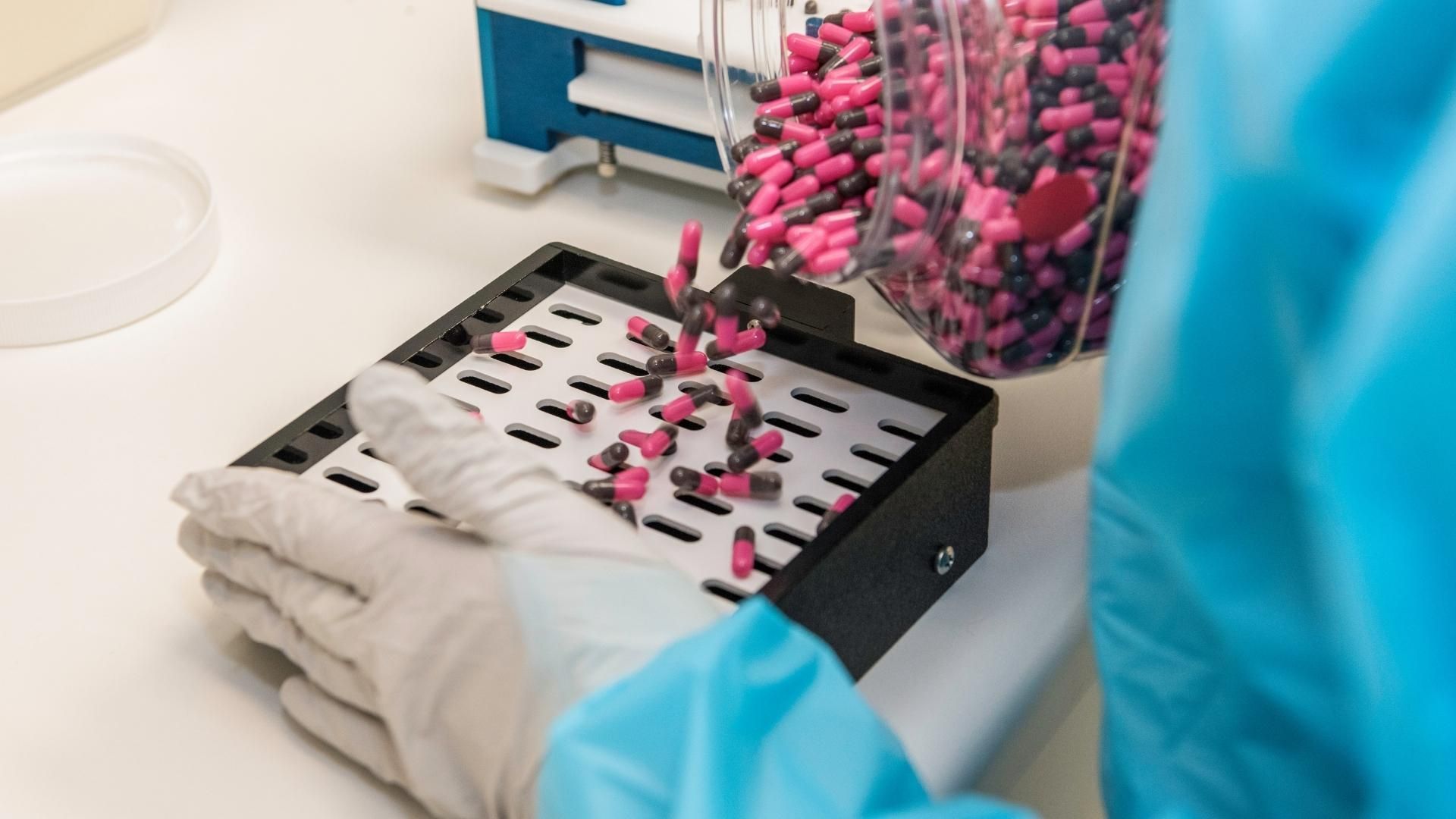
Physician evaluating a sterile compounding pharmacy partner
July 29, 2026
How to evaluate a sterile compounding pharmacy: accreditation, USP compliance, clinical support, turnaround, and the questions every practice should ask.

Show More